Beyond the Rack: Fashion’s Influence on Culture, Capital, and Consciousness
I was chatting with a friend recently about the seismic shift happening in the retail landscape—how it mirrors the broader market, and how much of our job today is about curating an experience, not just selling a product. At one point, I could sense he viewed my “career” in fashion as a kind of frivolous pursuit. A silly little job. But here’s the thing—my “silly little industry” happens to be one of the most powerful and influential in the world.
Over the past two decades, I’ve worked across nearly every facet of fashion—as a stylist, retailer, business owner, and resale expert. And while fashion can seem like an insular world reserved for those “in the know,” its impact is anything but niche. The fashion industry influences culture, drives economic trends, and plays a massive role in shaping environmental outcomes.
I’ve styled everyone from celebrities to CEOs to politicians and high-net-worth clients with what felt like unlimited resources. But today’s luxury landscape has changed dramatically. Shifts in creative leadership, declining craftsmanship, tighter production runs, and soaring prices have redefined how consumers interact with fashion—especially in the current economy. The luxury sector continues to climb, but traditional retail? It’s struggling to keep pace.
The days of leisurely department store styling sessions are fading. Many luxury houses have pulled out of brick-and-mortar retailers altogether, pushing consumers online or into alternative channels. One of the most disruptive forces in that shift? The resale market. And at the forefront is The RealReal.
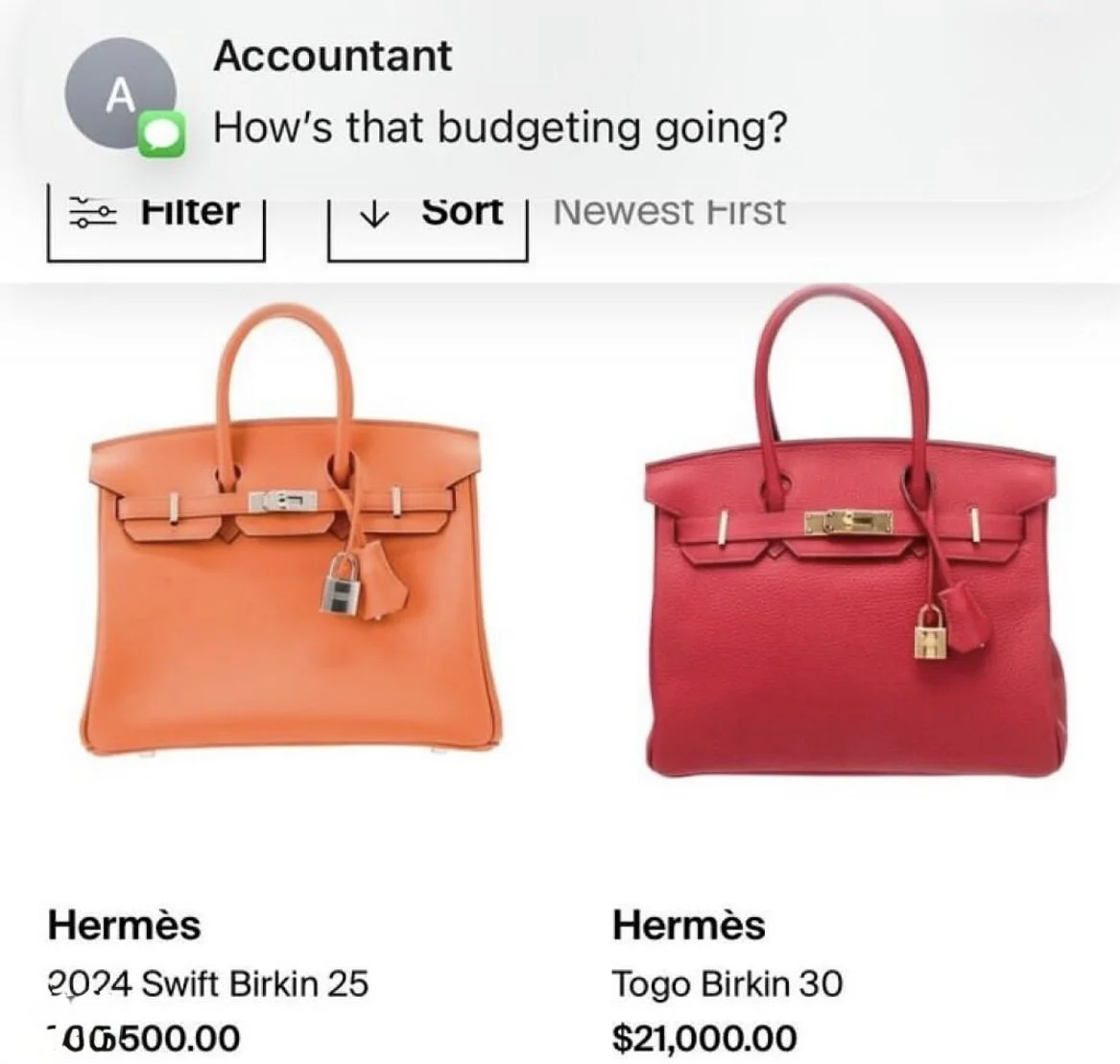
The RealReal is doing more than democratizing access to luxury—it’s changing the way people think about ownership. It extends the life of beautifully made items, reduces waste, and empowers clients to treat their wardrobes like investment portfolios. The model is circular by design: buy, wear, consign, repeat. Much like the stock market, fashion’s resale value fluctuates with demand—and savvy clients are taking note.
When the economy tightens, the resale market often thrives. It offers consumers a more sustainable, value-driven way to engage with fashion—without sacrificing quality or aspiration.
At the same time, luxury brands are transforming into entertainment powerhouses. Shopping is no longer a transaction; it’s a spectacle. Whether you’re watching the Chanel show from the front row in Paris or streaming it on your phone, the experience is just as important as the item. Fashion today is about narrative. It’s about connection. It’s about the long game.
That’s where resale sets itself apart. It invites people into the story. It gives them a chance to collect and wear meaningful pieces—items that carry both emotional and financial value—while contributing to a more conscious, circular fashion economy.